By Scott Robinson owner/Operator NCS Wildlife Solutions
•
February 26, 2026
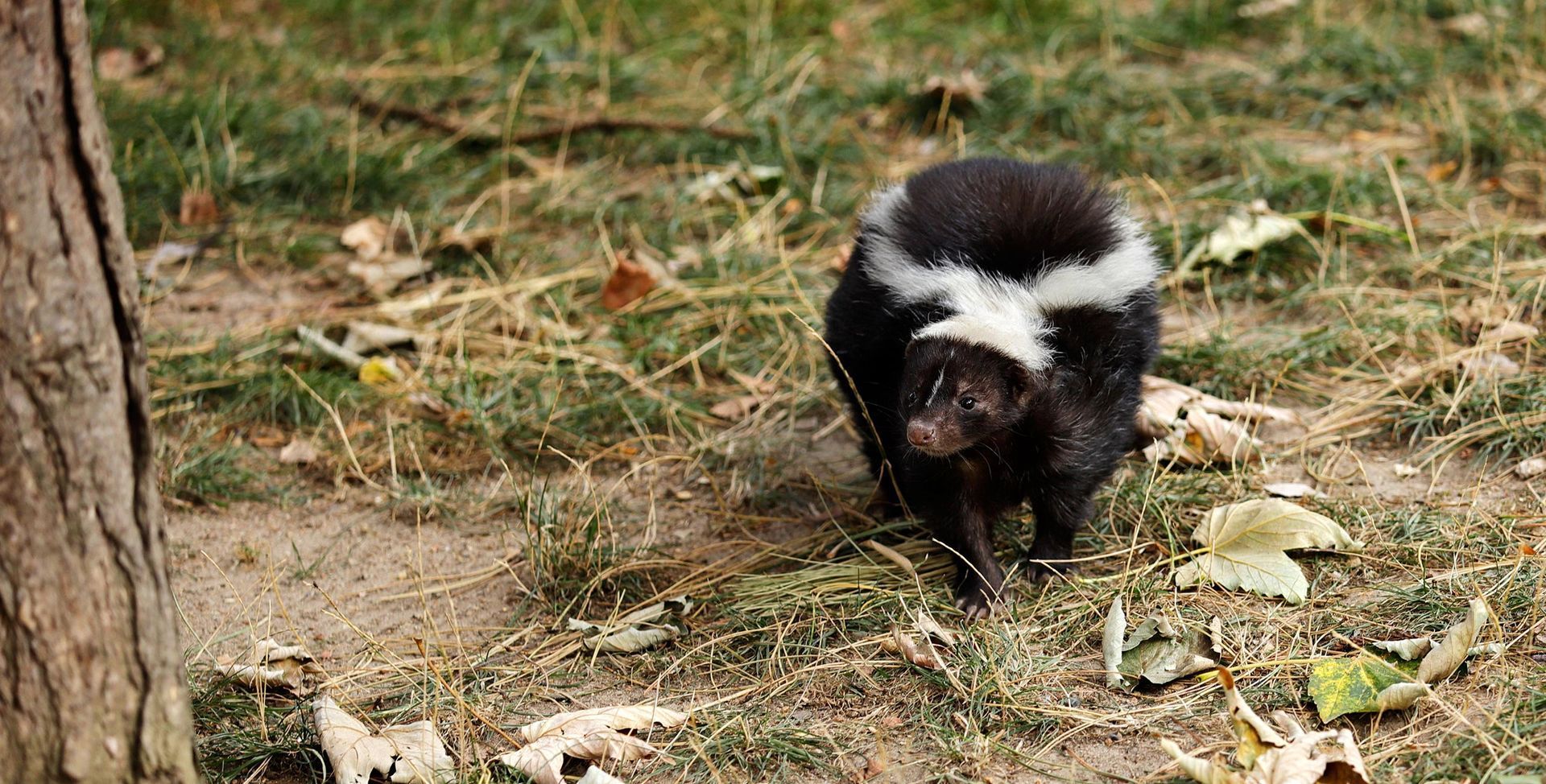
If you’ve stepped outside your home in Fairfield or New Haven County recently and been hit by that unmistakable, eye-watering odor, you aren’t alone. As winter thaws in February and March, Connecticut experiences peak skunk mating season. Right now, skunks are actively on the move, looking for mates and—more importantly—a safe place to settle down and raise their kits. Unfortunately for homeowners, the perfect nursery often ends up being right under your porch, deck, or shed. Here is what you need to know about spring skunk activity in Connecticut and how to handle a smelly situation before it gets worse. Why Do Skunks Choose Decks and Sheds? Skunks are opportunistic burrowers. While they possess strong front claws for digging, they much prefer moving into a spot that already has a sturdy, weather-proof roof. The dark, quiet voids beneath your deck, patio, or backyard shed offer the perfect pre-fab maternity ward. These areas protect them from harsh early-spring weather and natural predators. If a female skunk feels secure under your porch in March, she will likely stay there to give birth to her litter in May. The Dangers of DIY Skunk Trapping When that skunk smell permeates your house, the immediate reaction is usually panic—followed by a frantic trip to the hardware store for a wire trap. However, DIY skunk removal is incredibly risky for a few reasons: The Spray Zone: The most obvious risk is getting sprayed. A skunk can spray with high accuracy up to 10-15 feet. Handling a caged, terrified skunk without professional training almost guarantees you (and your car, if you attempt to relocate it) will take a direct hit. Orphaned Kits: If you trap and remove a mother skunk in the spring, you are likely leaving a litter of babies behind under your deck. Not only is this inhumane, but it will eventually lead to a severe odor problem as the babies perish. Rabies Risk: Skunks are a primary carrier of the rabies virus in Connecticut. Any close interaction puts you and your pets at risk. The Permanent, Humane Solution: One-Way Doors and Trenching At NCS Wildlife Solutions, based right here in Milford, CT, we take the guesswork and the danger out of skunk removal for residents across Fairfield and New Haven counties. Rather than relying on stressful trapping, we use humane, permanent exclusion methods. Here is how we do it: 1. One-Way Exclusion Doors Instead of trapping the animal, we install a specialized one-way door over the skunk’s main entry point. When the skunk leaves at night to forage for food, the door allows them to exit smoothly. However, when they return, the door will not open from the outside, safely and humanely evicting them from your property without the stress of a cage. 2. Trenching and Exclusion Mesh Evicting the skunk is only half the battle; keeping them out is the real fix. Skunks are determined diggers. If they can’t get through the front door, they will simply dig a new tunnel right next to it. To prevent this, our team uses a process called trenching. We dig a trench around the perimeter of your deck or shed and install heavy-duty, galvanized steel mesh that extends below the ground and outward in an "L" shape. When a skunk tries to dig under your shed, they hit the steel mesh and eventually give up, leaving your property for good. Don't Wait for the Smell to Get Worse If you suspect a skunk has taken up residence under your property, early intervention is key. Dealing with a single adult skunk in February or March is much easier than dealing with a mother and five babies in May! NCS Wildlife Solutions is your local Milford expert for safe, permanent, and humane skunk removal. We proudly serve homeowners throughout Fairfield and New Haven County. Contact us today to reclaim your yard (and your nose) this spring!
Share On: